Best time to visit Port‑au‑Prince — month‑by‑month guide
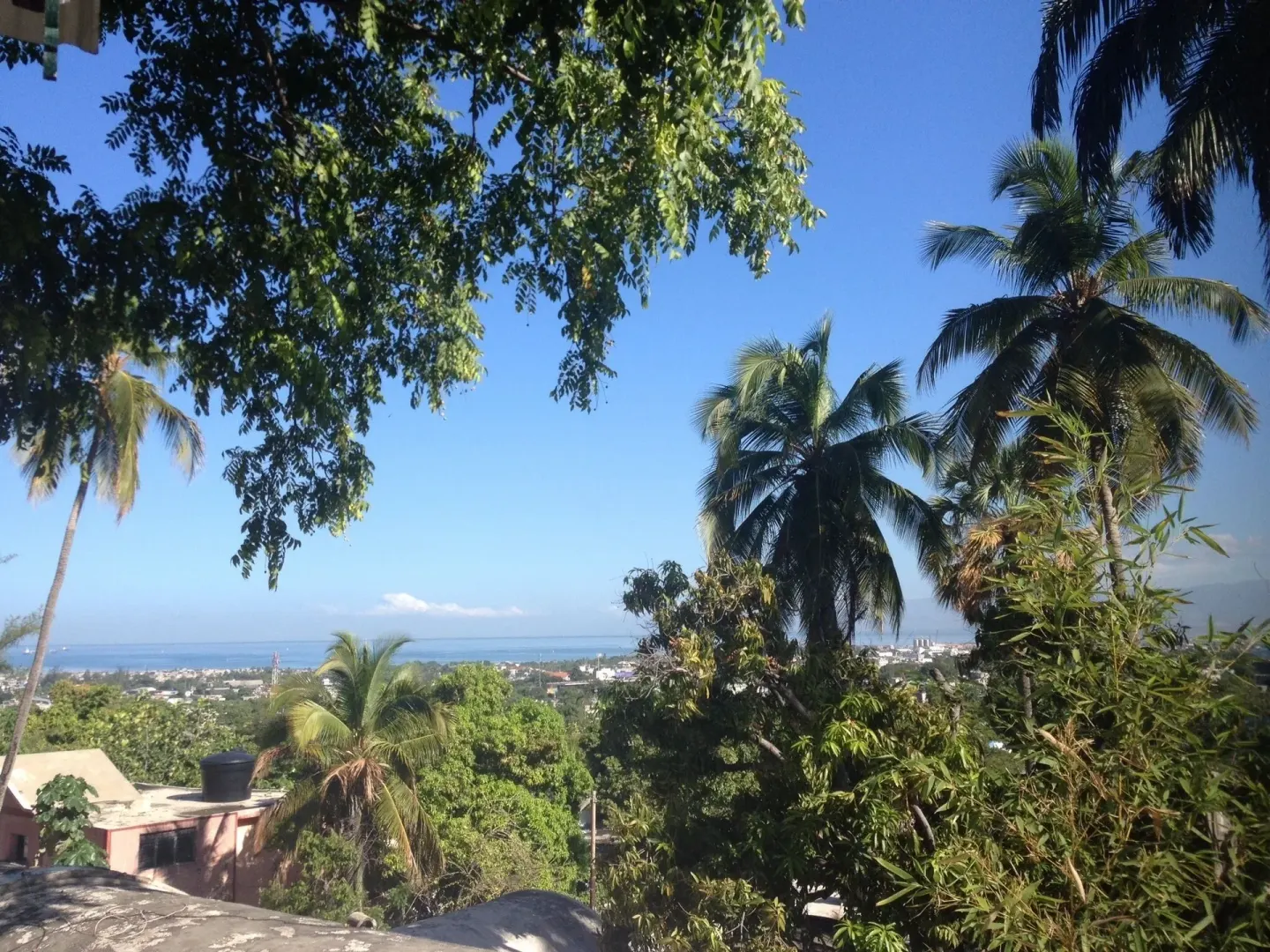
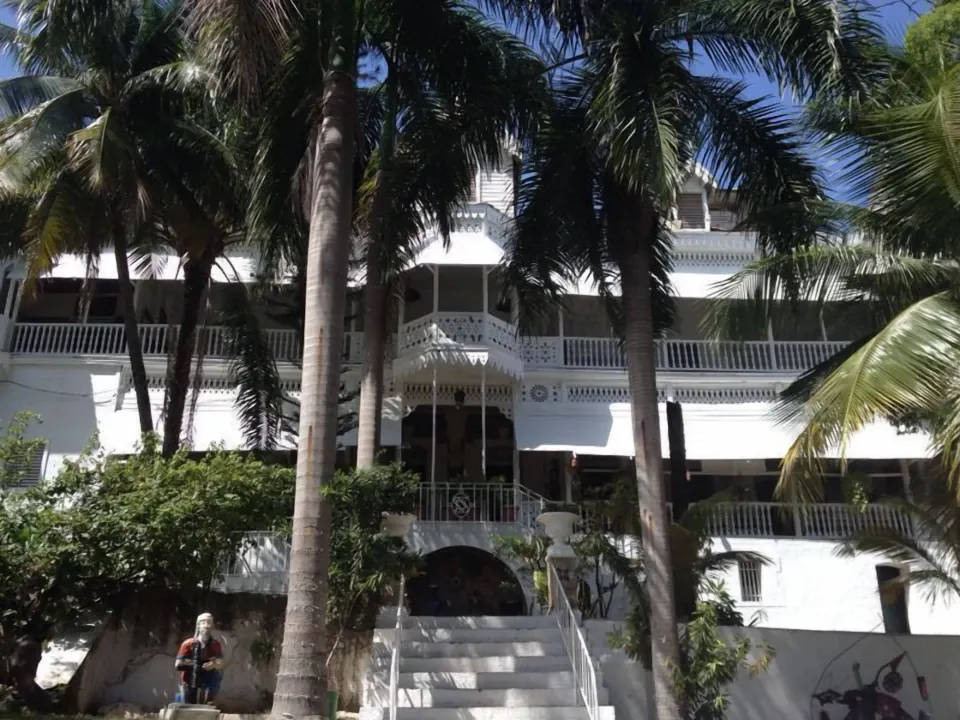
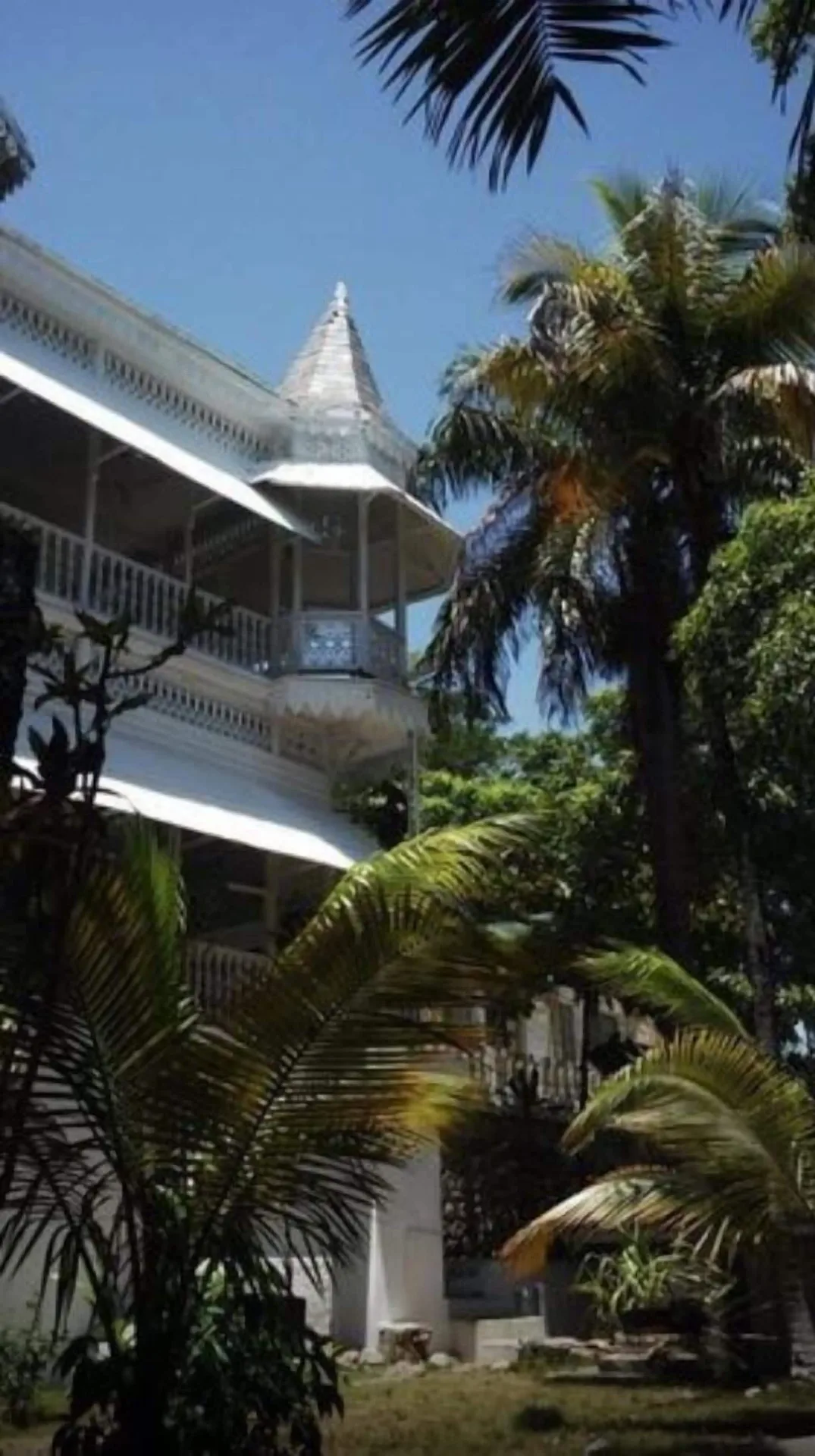
The best months for pleasant weather in Port‑au‑Prince are mid‑December through mid‑March (the dry season) for sightseeing and outdoor activities. Note: Hotel Oloffson stopped accepting guests in 2024 and was destroyed by arson in July 2025, so it cannot be booked or visited.
In this guide
When the weather is best
Port‑au‑Prince's most comfortable weather for visitors generally falls in the dry season from December through April, with lower rainfall and clearer skies for walking, museum visits, and outdoor terraces.
January is often the clearest month; temperatures in the dry season typically range from warm days to cooler evenings compared with the summer months. This window is commonly recommended for sightseeing and day trips.
- Best overall: mid‑December to mid‑March (dry season)
- Clearest month: January
- Hottest months: July–September
Month‑by‑month quick guide
Below is a concise month-by-month view of typical weather and travel considerations for Port‑au‑Prince. This focuses on climate trends and major seasonal risks rather than hotel-specific availability.
Remember that local conditions can vary year to year and that the security situation in Port‑au‑Prince has affected travel reliability.
| Month | Typical conditions | Who should go |
|---|---|---|
| January | Clearest skies, dry and pleasant for outdoor sightseeing. | Sightseers, museum and art visitors, day‑trip planners. |
| February | Dry with build-up to Carnival season activity in some areas. | Visitors wanting cultural events (check local schedules). |
| March | End of the main dry period; still good for outdoor plans. | General travelers who prefer less rain. |
| April | Start of wetter months (first rainy season); showers increase. | Travelers prepared for occasional rain. |
| May | Transitional month with more humidity and rain. | Those seeking lower crowds and lower prices (if services are operating). |
| June | Start of hurricane season (June–November); hotter and more humid. | Avoid if you need guaranteed clear weather; monitor forecasts. |
| July | Hot and humid; statistical peak of summer temperatures. | Warm‑weather travelers who tolerate heat; beach excursion planners should note storm risk. |
| August | Hot, humid, and in the hurricane season peak window (Aug–Oct). | Not ideal for outdoor plans; watch tropical storm advisories. |
September–December specifics
September is typically one of the cloudiest months and still inside the hurricane season peak; travel plans here carry higher weather risk. October and November continue hurricane‑season risks though intensity varies by year.
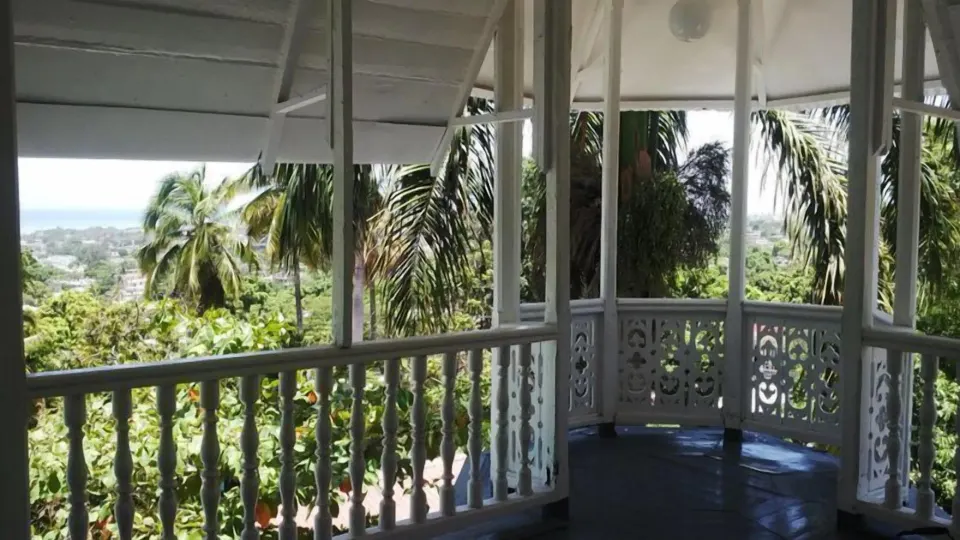
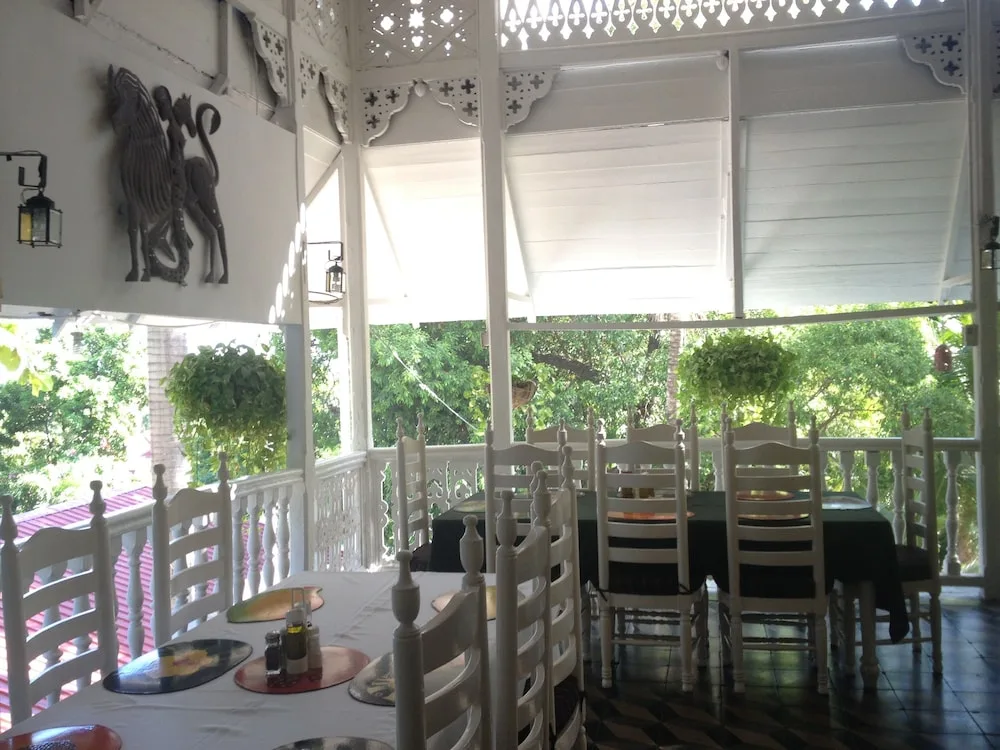
By mid‑December conditions often return to the drier pattern. December evenings can be pleasant for terrace dining and cultural outings, but always check current weather and local notices before travel.
- September: cloudiest month; higher chance of overcast and rain
- October–November: hurricane season continues — monitor forecasts
- December: usually back to dry season conditions by mid‑month
Security and travel advisories
Independent sources indicate significant security challenges in Port‑au‑Prince. The U.S. State Department maintains a Level 4 'Do Not Travel' advisory for Haiti because of kidnapping, crime, civil unrest, and limited health care.
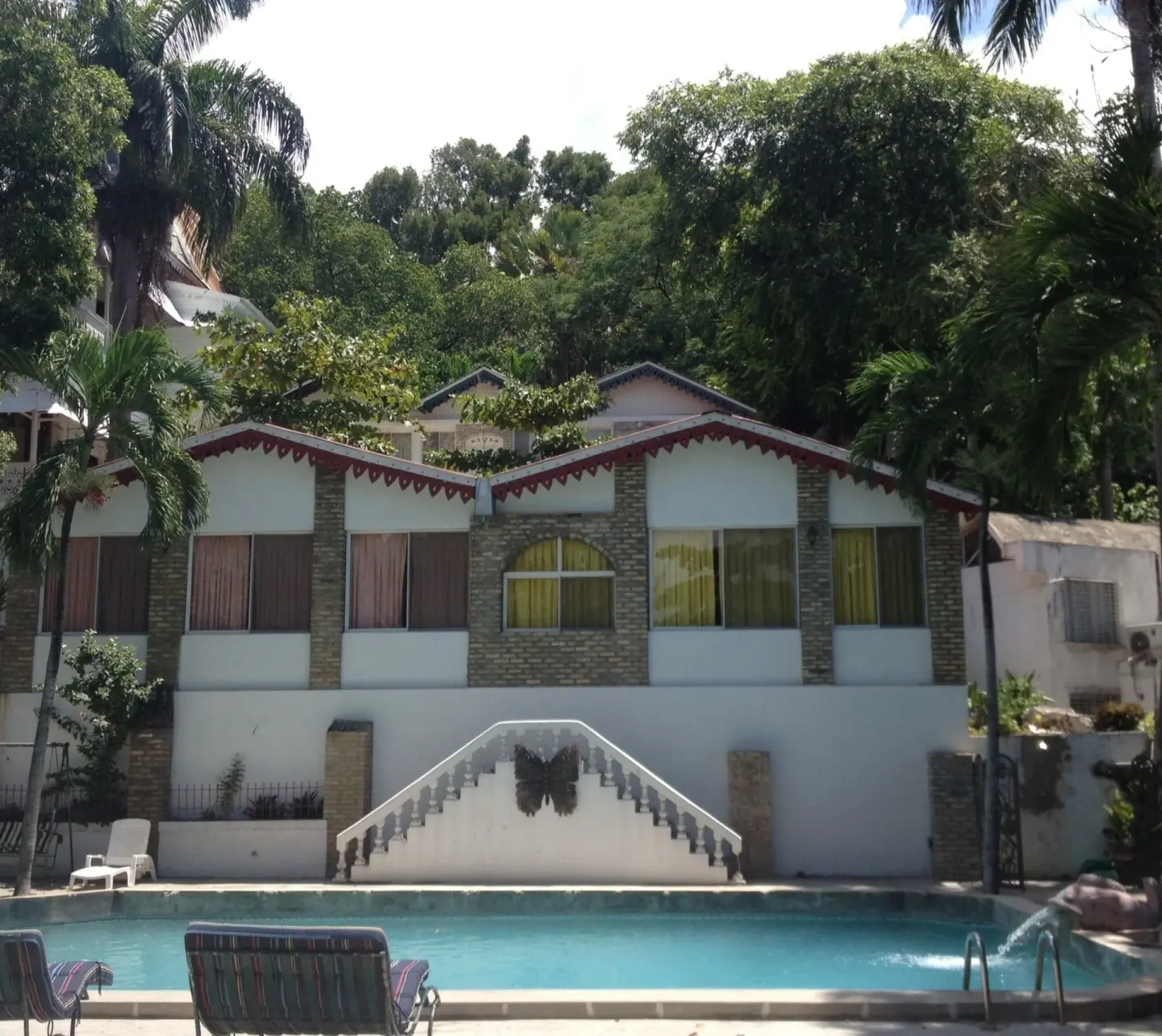
Hotel Oloffson itself stopped accepting guests around July 2024 and was destroyed by arson in July 2025; given the broader situation in the city, travelers should consult official advisories and local contacts before planning any trip.
- Check national embassy travel advisories (U.S., Canada, your home country) before travel
- Expect unpredictable local conditions that can affect transport and services
- If travel is essential, arrange secure transport and up‑to‑date local guidance
Practical tips for visiting Port‑au‑Prince (if you go)
Most visitor resources recommend planning daytime activities in the dry season and booking any organized day tours in advance. Transport and opening hours can change quickly, so confirm details shortly before you travel.
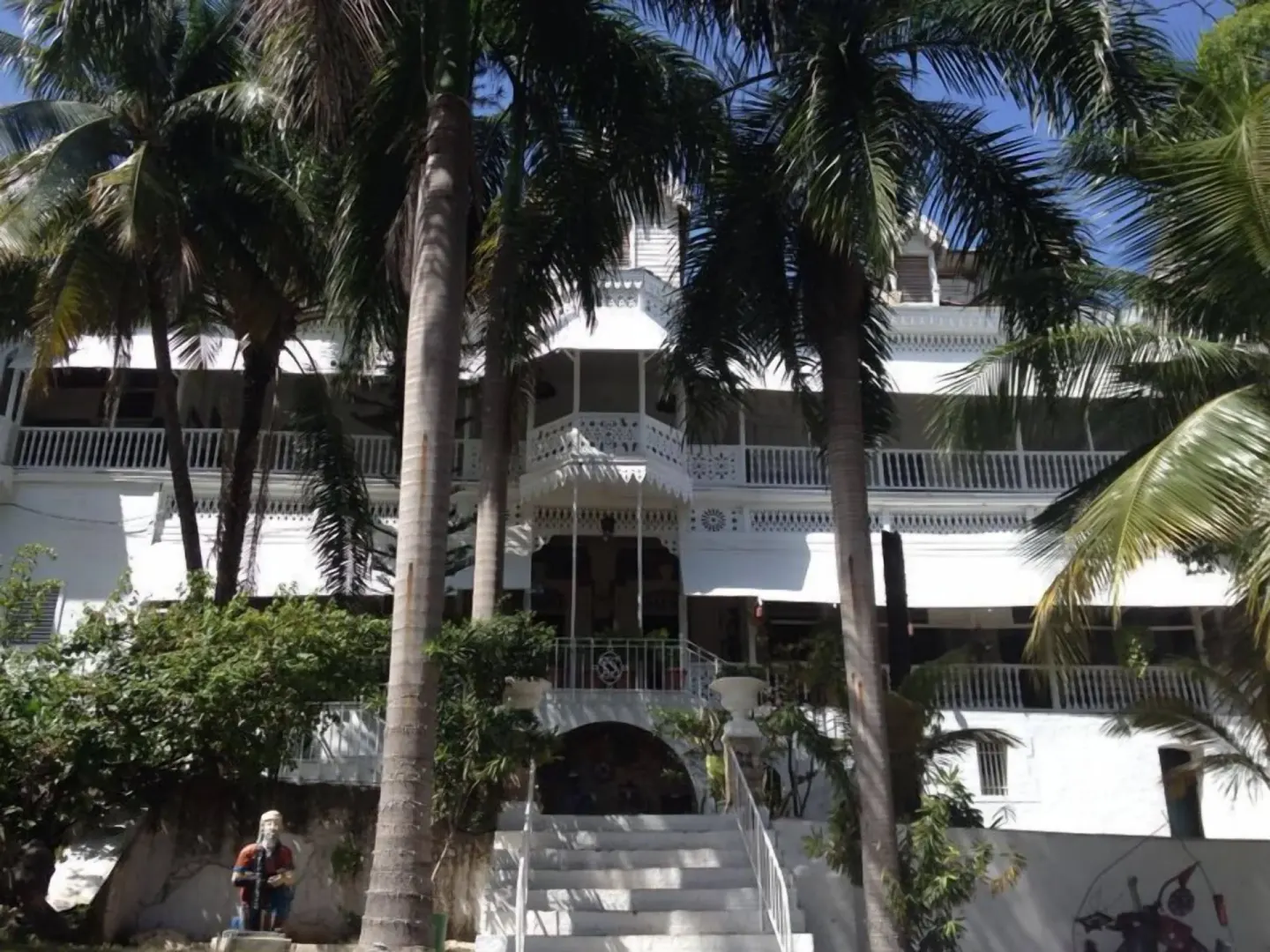
Note on accommodation: while Hotel Oloffson was a well‑known historic property with room types called Deluxe Room and Standard Suite, it is permanently closed and cannot be booked. Use local sources to find currently operating hotels.
- Carry up‑to‑date contact info for your embassy and local agent
- Plan cultural visits (Musee du Pantheon National Haïtien, Museum of Haitian Art) during daylight hours
- If arranging day trips (Jacmel, Fort Jacques), expect long road times and variable conditions
Day trips and activities by season
Dry season (Dec–Apr): best window for Fort Jacques, city art galleries, and organized day trips to Jacmel when roads are drier and hilltops are cooler.
Wet season and hurricane season (Apr–Nov): plan flexible itineraries, consider indoor cultural visits and confirm whether coastal day trips are operating due to weather or security constraints.
- Fort Jacques and Kenscoff: cooler mountain air; best in dry months
- Jacmel day trips (Beaches, Bassin Bleu): typically 2.5–4 hours each way—prefer dry months
- City museums and galleries: good year‑round but visit during daylight and verify opening hours